
More Information
Submitted: August 12, 2026 | Accepted: August 18, 2026 | Published: August 20, 2026
Citation: Rosas-Peralta M, Alcocer L, Galván-Oseguera H, Cardona-Muñoz E, Álvarez-López H,
Chávez-Mendoza A, et al. Phenotype-Guided Hypertension Management in the Era of Cardiovascular–Kidney–Metabolic Syndrome: Integrating the CKM and MACARENHA Models for Personalized Dual and Triple Antihypertensive Therapy. Ann Clin Hypertens. 2026; 10(1): 31-39. Available from:
https://dx.doi.org/10.29328/journal.ach.1001044.
DOI: 10.29328/journal.ach.1001044
Copyright license: © 2026 Rosas-Peralta M, et al. This is an open access article distributed under the Creative Commons Attribution License, which permits unrestricted use, distribution, and reproduction in any medium, provided the original work is properly cited.
Keywords: Hypertension; CKM syndrome; MACARENHA; arterial stiffness; phenotypes; precision medicine; calcium channel blockers; thiazide-like diuretics

Phenotype-Guided Hypertension Management in the Era of Cardiovascular–Kidney–Metabolic Syndrome: Integrating the CKM and MACARENHA Models for Personalized Dual and Triple Antihypertensive Therapy
Martin Rosas-Peralta* , Luis Alcocer, Héctor Galván-Oseguera, Ernesto Cardona-Muñoz, Humberto Álvarez-López, Adolfo Chávez-Mendoza, J Manuel Enciso-Muñoz, Enrique Díaz-Díaz and Silvia Palomo-Piñón
Group of Experts in Hypertension, México
*Corresponding author: Martin Rosas-Peralta, MD, PhD, Group of Experts in Hypertension, México, Email: [email protected]
Background: Hypertension remains the leading modifiable contributor to cardiovascular morbidity and mortality worldwide despite the availability of effective antihypertensive therapies. One of the principal limitations of contemporary management is that treatment strategies continue to focus predominantly on blood pressure values rather than on the biological complexity of the patient. Increasing evidence demonstrates that hypertension rarely exists as an isolated disease; instead, it develops within a complex network of metabolic, vascular, renal, cardiac, hepatic and neurological alterations that interact continuously throughout the lifespan. This systemic interaction has recently been formalized by the American Heart Association through the Cardiovascular–Kidney–Metabolic (CKM) Syndrome, emphasizing that obesity, diabetes, chronic kidney disease and cardiovascular disease represent different manifestations of a common pathophysiological continuum.
Objective: To propose an integrated clinical framework combining CKM staging with the MACARENHA model in order to identify predominant organ phenotypes and personalize antihypertensive therapy through rational selection of dual or triple combination treatment.
Results: CKM staging identifies overall cardiometabolic risk, whereas MACARENHA identifies the predominant target-organ phenotype responsible for disease expression. Together, both models provide complementary information that facilitates precision medicine in hypertension. Patients exhibiting a vascular phenotype characterized by arterial stiffness, endothelial dysfunction, left ventricular hypertrophy or atherosclerotic disease may derive greater benefit from renin–angiotensin system inhibition combined with calcium channel blockade. Conversely, patients presenting with renal dysfunction, albuminuria, fluid retention or heart failure represent a cardiorenal phenotype in which renin–angiotensin inhibition plus thiazide-like diuretics may provide superior cardiorenal protection. Triple therapy should be considered early in patients with advanced CKM stages, persistent uncontrolled hypertension or multiple-organ involvement.
Conclusion: Hypertension should no longer be managed as an isolated hemodynamic disorder. Integrating CKM staging with organ-based phenotyping through the MACARENHA model represents a novel conceptual approach that aligns antihypertensive treatment with the patient’s predominant biological phenotype rather than blood pressure values alone.
Arterial hypertension affects more than 1.3 billion individuals worldwide and continues to be the principal modifiable determinant of cardiovascular disease, chronic kidney disease, heart failure, and premature mortality. Although remarkable advances in antihypertensive pharmacotherapy have occurred during the last four decades, global rates of blood pressure control remain disappointingly low, with fewer than half of treated patients achieving recommended therapeutic targets [1-3].
Historically, hypertension has been regarded primarily as a disorder of elevated arterial pressure. Consequently, treatment algorithms have focused on selecting pharmacological agents according to blood pressure levels and cardiovascular risk categories. While this strategy has significantly reduced cardiovascular events, it overlooks the biological heterogeneity that characterizes hypertensive patients. Individuals with identical blood pressure values frequently display markedly different degrees of vascular remodeling, renal dysfunction, metabolic impairment and cardiac injury, suggesting that blood pressure alone inadequately reflects disease severity [4-6].
Recent advances in cardiovascular biology have transformed this traditional paradigm. Obesity, insulin resistance, chronic inflammation, endothelial dysfunction, oxidative stress, neurohormonal activation and chronic kidney disease have emerged as interconnected drivers of hypertension rather than isolated comorbidities. These mechanisms create a self-amplifying network of organ damage involving the cardiovascular, renal and metabolic systems, progressively accelerating cardiovascular risk even before overt clinical disease becomes apparent [7-10].
Recognizing this biological continuum, the American Heart Association introduced the concept of Cardiovascular–Kidney–Metabolic (CKM) Syndrome, initially through a Presidential Advisory and subsequently incorporated into the first multidisciplinary clinical guideline dedicated to CKM prevention, detection and management [11,12]. CKM syndrome emphasizes that cardiovascular disease should no longer be interpreted independently from obesity, diabetes mellitus and chronic kidney disease. Instead, these disorders represent sequential stages of the same systemic disease process.
Although CKM staging substantially improves global cardiovascular risk stratification, it does not fully explain the remarkable heterogeneity observed among hypertensive patients. Individuals sharing identical CKM stages often exhibit distinct patterns of organ involvement that influence therapeutic response. Some patients predominantly develop arterial stiffness, endothelial dysfunction and accelerated atherosclerosis, whereas others exhibit renal sodium retention, albuminuria, declining glomerular filtration rate and fluid overload. These observations support the concept that hypertension comprises multiple biological phenotypes requiring different therapeutic strategies rather than a universal treatment algorithm.
To address this limitation, we propose integrating CKM staging with the MACARENHA model, a systemic framework that conceptualizes hypertension as a multisystem disease involving Metabolic, Adipose, Cardiac, Arterial, Renal, Respiratory, Neurological, Hepatic, and Enteric axes. Rather than replacing CKM, MACARENHA complements it by identifying the predominant target-organ phenotype driving disease expression in each patient. In other words, MACARENHA is the phenotype of CKM viewed in terms of hypertension disease. This dual approach facilitates personalized antihypertensive therapy based not only on overall cardiovascular risk but also on the dominant pathophysiological mechanism [13].
Within this framework, patients characterized by arterial stiffness, endothelial dysfunction, left ventricular hypertrophy and established atherosclerotic disease define a vascular phenotype, in whom blockade of the renin–angiotensin system combined with calcium channel antagonists may optimize vascular protection. Conversely, patients exhibiting albuminuria, chronic kidney disease, fluid retention, diabetes mellitus or heart failure represent a cardiorenal phenotype, in whom renin–angiotensin system inhibition combined with thiazide-like diuretics may provide superior cardiorenal benefits. Individuals with advanced CKM syndrome, persistent uncontrolled hypertension or multiorgan damage frequently require early initiation of triple therapy to modify disease progression adequately.
The objective of this review is therefore to present an integrated conceptual model combining CKM staging with the MACARENHA framework to support phenotype-guided antihypertensive therapy (Table 1). We propose that hypertension should no longer be treated solely based on blood pressure levels but rather through a comprehensive assessment of systemic disease burden and predominant organ phenotype, thereby advancing precision medicine in cardiovascular prevention. Central Figure 1.
| Table 1: Integration of CKM and MACARENHA in clinical decision-making. | |||
| CKM Component | MACARENHA Domain | Predominant Clinical Findings | Suggested Initial Therapy |
| Obesity | Metabolic / Adipose | Insulin resistance | Phenotype dependent |
| Diabetes | Metabolic | Hyperglycemia | Phenotype dependent |
| Arterial disease | Arterial | Arterial stiffness, LVH, CAD | RAAS inhibitor + CCB |
| CKD | Renal | Albuminuria, ↓eGFR | RAAS inhibitor + Diuretic |
| Heart Failure | Cardiac | Congestion | RAAS inhibitor + Diuretic |
| Multiorgan disease | Multiple | CKM Stage 3–4 | Triple therapy |
| CKM: Cardiovascular-Kidney-Metabolic syndrome; CKD: Chronic Kidney Disease | |||
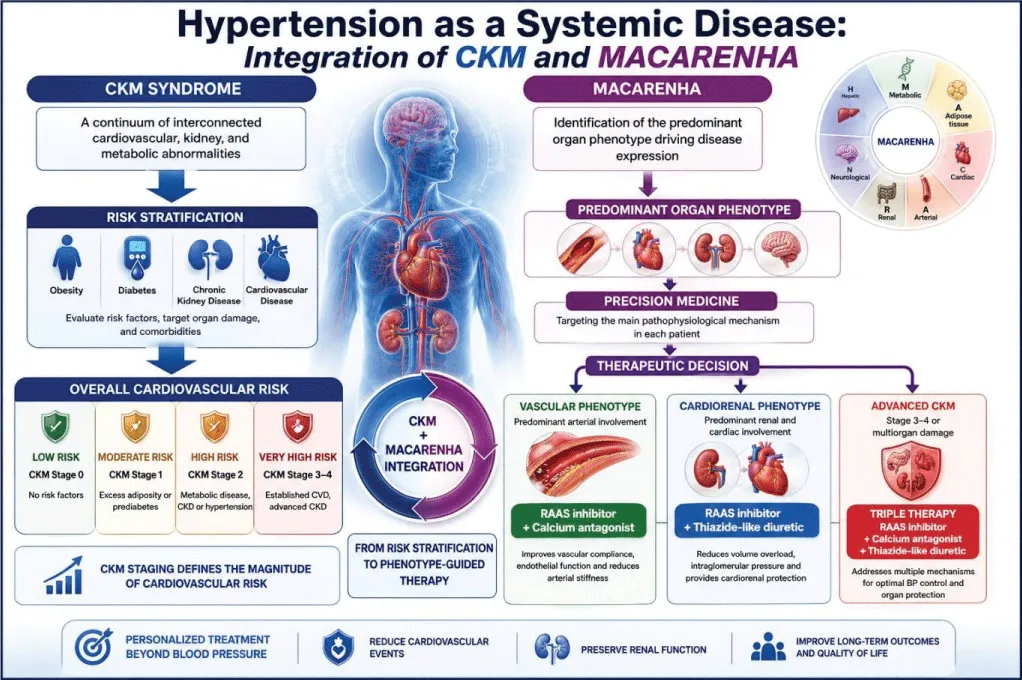
Figure 1: Central Figure.
The cardiovascular–kidney–metabolic syndrome: from isolated risk factors to a systemic disease
The traditional approach to cardiovascular prevention has historically considered obesity, diabetes mellitus, chronic kidney disease, and cardiovascular disease as independent clinical entities. Although each condition has well-established diagnostic criteria and therapeutic recommendations, growing evidence demonstrates that these disorders share common biological pathways and frequently coexist as different manifestations of the same progressive disease process [13-16].
Rather than representing isolated conditions, these diseases form a continuous biological spectrum characterized by chronic low-grade inflammation, insulin resistance, neurohormonal activation, endothelial dysfunction, oxidative stress, adipose tissue dysfunction, and progressive target-organ injury. The interaction among these mechanisms creates a vicious cycle that accelerates vascular aging, myocardial remodeling, and renal dysfunction, ultimately increasing cardiovascular morbidity and mortality.
Recognizing this interconnected pathophysiology, the American Heart Association introduced the concept of Cardiovascular–Kidney–Metabolic (CKM) Syndrome, redefining cardiovascular prevention through a life-course approach that integrates obesity, diabetes, chronic kidney disease and cardiovascular disease into a single continuum [11].
Unlike previous cardiovascular risk models, CKM syndrome emphasizes that metabolic abnormalities often precede vascular injury by decades. Excess visceral adiposity promotes chronic inflammation and insulin resistance, leading to endothelial dysfunction, sodium retention, sympathetic activation and renin–angiotensin–aldosterone system (RAAS) stimulation. These alterations progressively induce hypertension, arterial stiffness and renal injury long before overt cardiovascular events become clinically evident [14-18].
Consequently, hypertension should no longer be viewed solely as a disease of elevated blood pressure but rather as an intermediate manifestation of systemic biological dysfunction.
The biological basis of CKM syndrome
The development of CKM syndrome begins with excess adiposity, particularly visceral and ectopic fat accumulation. Dysfunctional adipose tissue loses its capacity for physiological energy storage and becomes an active endocrine organ capable of secreting numerous pro-inflammatory cytokines and adipokines, including tumor necrosis factor-α, interleukin-6, leptin and resistin, while reducing adiponectin production. This altered secretory profile contributes to systemic inflammation and metabolic dysregulation [19].
Persistent inflammatory activation induces insulin resistance in skeletal muscle, liver and adipose tissue, resulting in compensatory hyperinsulinemia. Hyperinsulinemia further stimulates renal sodium reabsorption, activates the sympathetic nervous system and enhances RAAS activity, collectively promoting hypertension [20].
At the vascular level, oxidative stress reduces nitric oxide bioavailability, impairs endothelial function and accelerates arterial stiffening. Increased collagen deposition, elastin fragmentation and vascular calcification progressively elevate pulse-wave velocity, increasing systolic blood pressure and left ventricular afterload [21].
Simultaneously, renal microvascular injury reduces nephron function, increases glomerular hypertension and promotes albuminuria. Progressive nephron loss further activates RAAS, creating a positive feedback loop that exacerbates hypertension and cardiovascular injury [22].
Therefore, hypertension represents both a consequence and an amplifier of CKM syndrome.
CKM Staging
One of the most innovative aspects of CKM syndrome is the introduction of a progressive staging system that reflects cumulative biological risk rather than isolated clinical diagnoses. Table 1A.
| Table 1A: Stage progression of Cardio-Kidney-Metabolic syndrome. |
| Stage 0 |
| No metabolic risk factors. |
| Normal body weight. |
| Normal renal function. |
| No cardiovascular disease. |
| Stage 1 |
| Excess adiposity. |
| Central obesity. |
| Prediabetes. |
| Insulin resistance. |
| Stage 2 |
| Established metabolic disease. |
| Hypertension. |
| Type 2 diabetes. |
| Dyslipidemia. |
| Early CKD. |
| Stage 3 |
| Subclinical cardiovascular disease. |
| Coronary artery calcium. |
| Left ventricular hypertrophy. |
| Albuminuria. |
| Increased arterial stiffness. |
| Stage 4 |
| Clinical cardiovascular disease. |
| Myocardial infarction. |
| Heart failure. |
| Stroke. |
| Peripheral artery disease. |
| Advanced CKD. |
This staging system shifts the focus from treating isolated diseases toward identifying patients before irreversible organ damage develops. Importantly, CKM staging recognizes hypertension not as the initial disease but as one component within a broader pathophysiological cascade.
Why CKM changes hypertension management
The implications of CKM syndrome extend beyond risk stratification.
Traditional hypertension guidelines generally recommend treatment according to blood pressure levels combined with overall cardiovascular risk. While this strategy has improved clinical outcomes, it assumes that patients with similar blood pressure values respond similarly to identical therapeutic approaches.
However, CKM syndrome demonstrates that patients with identical blood pressure may exhibit profoundly different biological profiles.
For example, one patient may predominantly exhibit endothelial dysfunction and accelerated arterial aging, whereas another may primarily develop sodium retention, albuminuria, and declining renal function.
These biological differences likely influence therapeutic response.
Accordingly, blood pressure values should represent only the starting point of therapeutic decision-making rather than its final determinant.
The need for clinical phenotyping
Although CKM staging substantially improves cardiovascular risk assessment, it does not specify which antihypertensive combination should be selected for a given patient.
Two individuals classified as CKM Stage 3 may present markedly different target-organ involvement:
- One may exhibit severe arterial stiffness with extensive coronary calcification.
- Another may present progressive chronic kidney disease with significant proteinuria.
Despite sharing the same CKM stage, these patients likely require different antihypertensive strategies.
This observation highlights an important limitation of current hypertension algorithms and supports the incorporation of clinical phenotyping into therapeutic decision-making.
Introducing the MACARENHA concept
To overcome this limitation, we propose integrating CKM staging with the MACARENHA model, which conceptualizes hypertension as a multisystem disease involving the following interconnected domains: M – Metabolic; A – Adipose tissue; C – Cardiac; A – Arterial; R – Renal/respiratory disorder; E – Enteric/hepatic disorder; N – Neurological; HA - Hypertension. Unlike CKM, which quantifies global cardiometabolic risk, MACARENHA identifies the predominant biological expression of hypertension at the organ level [13].
The two models therefore answer different but complementary clinical questions:
- CKM: How much risk does this patient have?
- MACARENHA: Which organ system is driving the disease?
Together, these frameworks provide the basis for a phenotype-guided therapeutic strategy (Figure 2).
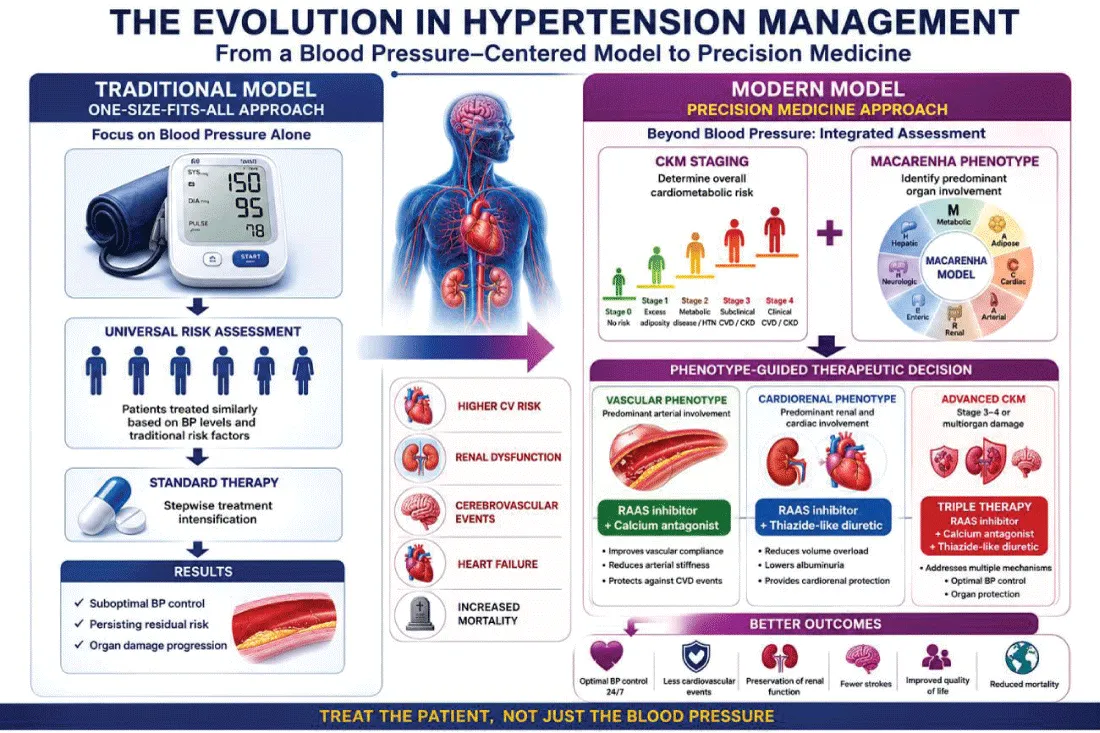
Figure 2: Evolution from traditional hypertension to precision medicine.
Clinical Phenotyping in Hypertension: Integrating CKM and MACARENHA to Guide Precision Antihypertensive Therapy (Table 2)
| Table 2: Comparison Between CKM and MACARENHA | ||
| Characteristic | CKM Syndrome | MACARENHA |
| Primary objective | Quantify global cardiovascular–kidney–metabolic risk | Identify predominant organ phenotype |
| Clinical focus | Disease staging | Biological expression of hypertension |
| Main determinants | Obesity, diabetes, CKD, CVD | Metabolic, adipose, cardiac, arterial, renal, enteric, neurological and hepatic involvement |
| Therapeutic implication | Intensity of cardiovascular prevention | Selection of antihypertensive combination |
| Clinical question answered | How high is the patient's risk? | Which organ system predominates? |
Beyond blood pressure: why phenotypes matter
For decades, antihypertensive therapy has been selected primarily according to blood pressure values, overall cardiovascular risk, and the presence of specific comorbidities. While this strategy has substantially reduced cardiovascular events, it assumes that hypertension represents a homogeneous disease with similar biological mechanisms across patients. Increasing evidence indicates that this assumption is incorrect [23-27].
Hypertension is a heterogeneous syndrome resulting from the interaction of genetic susceptibility, environmental exposures, adipose tissue dysfunction, metabolic disturbances, vascular remodeling, renal sodium handling, neurohormonal activation, endothelial dysfunction, and chronic inflammation [28-32]. Consequently, two patients with identical office blood pressure may exhibit markedly different biological pathways driving disease progression.
This heterogeneity provides the rationale for clinical phenotyping, an approach that identifies the predominant pathophysiological mechanism responsible for hypertension in each individual [23,28].
The emergence of Cardiovascular–Kidney–Metabolic (CKM) syndrome has significantly improved cardiovascular risk stratification. However, CKM staging alone does not identify which organ system predominantly contributes to disease progression nor which antihypertensive combination is most likely to modify the underlying biology [18,33-36] (Figure 3).
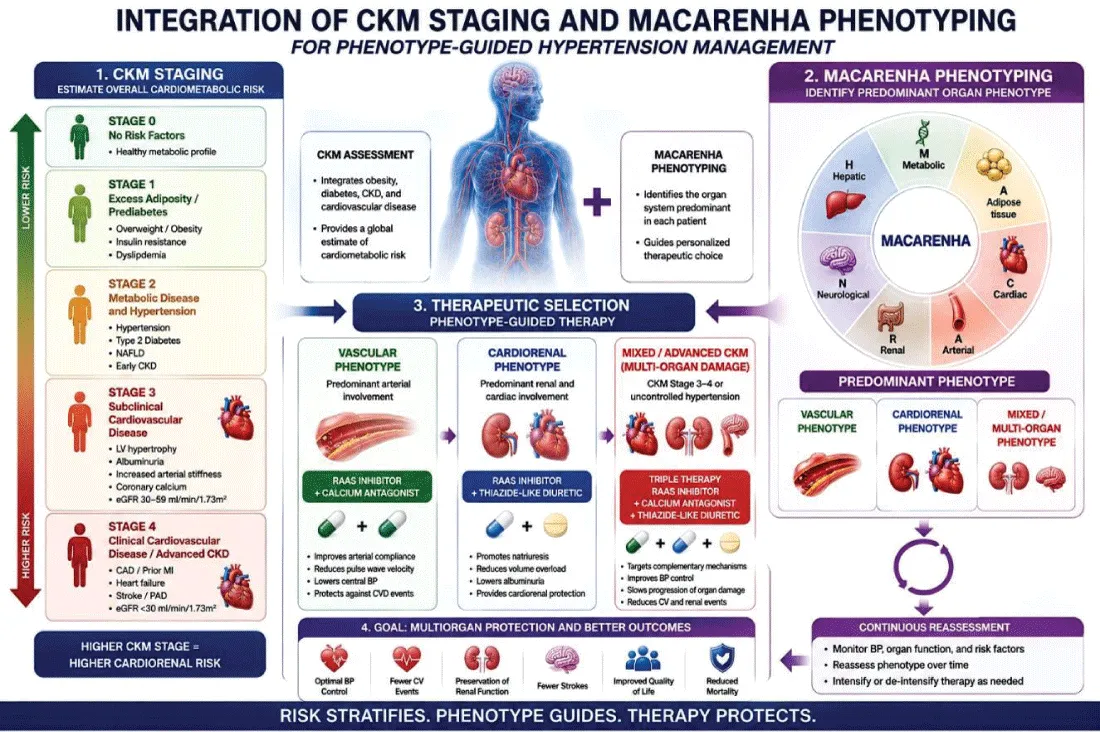
Figure 3: Integration of CKM and MACARENHA models into phenotypes of hypertension.
CKM answers the question: “How advanced is the patient’s systemic disease?” [33].
MACARENHA answers another equally important question: “Which biological phenotype predominates?”
Together, these complementary frameworks provide the basis for personalized antihypertensive therapy.
Two major clinical phenotypes
Although multiple phenotypes likely exist, two principal biological expressions account for the majority of patients encountered in daily practice.
1. The vascular phenotype
The vascular phenotype is characterized by predominant structural and functional abnormalities of the arterial tree [21,23,28].
Its principal mechanisms include:
- Endothelial dysfunction [21]
- Increased arterial stiffness [21]
- Early vascular aging [21]
- Medial calcification [25]
- Large artery remodeling [21]
- Increased pulse-wave velocity [21]
- Enhanced wave reflection [21]
- Increased systolic load [21]
Clinically, these patients frequently exhibit:
- Isolated systolic hypertension [21]
- Left ventricular hypertrophy [23]
- Coronary artery disease [25]
- Carotid atherosclerosis [25]
- Peripheral arterial disease [25]
- Cerebrovascular disease [25]
- Increased coronary artery calcium score [25]
The principal pathological mechanism is excessive vascular resistance caused by progressive loss of arterial compliance rather than sodium retention [21].
Consequently, therapies capable of improving arterial compliance and endothelial function should theoretically provide greater benefit [21,27].
Why RAAS inhibitor + Calcium channel blocker?
Calcium channel blockers directly reduce vascular smooth muscle tone, decrease arterial stiffness, improve endothelial function, and lower central aortic pressure [21].
When combined with RAAS inhibition, additional benefits include:
- Reduced vascular inflammation [28]
- Improved nitric oxide bioavailability [21]
- Regression of left ventricular hypertrophy [23]
- Reduction in carotid intima-media thickness [27]
- Improved coronary microvascular perfusion [27]
- Decreased pulse-wave velocity [21]
These mechanisms explain why RAAS inhibitor plus calcium channel blocker combinations demonstrated superior cardiovascular protection in the ACCOMPLISH trial, despite achieving blood pressure reductions similar to those observed with RAAS inhibitor plus hydrochlorothiazide [37,38].
Therefore, within the proposed framework, patients exhibiting a predominant vascular phenotype should preferentially receive: RAAS inhibitor + Calcium Channel Blocker.
The cardiorenal phenotype
The second major phenotype is characterized by predominant renal and volume-dependent mechanisms [15,17,33].
Here, hypertension develops primarily through:
- Sodium retention [17]
- Volume expansion [17]
- Chronic RAAS activation [28]
- Reduced nephron mass [17]
- Glomerular hypertension [17]
- Tubulointerstitial inflammation [17]
- Albuminuria [17]
- Progressive chronic kidney disease [17]
Unlike the vascular phenotype, these patients exhibit greater extracellular volume expansion than arterial stiffness [17].
Clinical characteristics include:
- Albuminuria [17]
- Proteinuria [17]
- Chronic kidney disease [17]
- Diabetes mellitus [33]
- Heart failure [33]
- Edema [17]
- Obesity [29]
- Resistant hypertension [23]
In these patients, renal protection becomes the principal therapeutic objective [17,33].
Why RAAS inhibitor + Thiazide-like diuretic?
RAAS inhibition reduces intraglomerular pressure, proteinuria, and renal fibrosis [17].
Long-acting thiazide-like diuretics provide:
- Sustained natriuresis [37]
- Better 24-hour blood pressure control [23]
- Reduction in extracellular volume [37]
- Regression of left ventricular hypertrophy [23]
- Prevention of heart failure [38,39]
- Improved nocturnal blood pressure [39]
The CLICK trial demonstrated that chlorthalidone effectively reduced blood pressure even in advanced chronic kidney disease, supporting the role of long-acting thiazide-like diuretics in selected patients with CKD [37].
Consequently, in patients with predominant renal involvement, RAAS inhibition combined with a long-acting thiazide-like diuretic represents a biologically coherent strategy [37]. Two thiazide-like diuretics are available in Mexico: Chlortalidone and indapamide.
Chlortalidone: A thiazide-like diuretic with a mean life of 60 hr has been demonstrated to be an effective and potent antihypertensive drug. It is especially recommended in patients with cardiorenal, hydric retention, and heart failure phenotyping. It is also useful in patients with high blood pressure variability. Newly reported mechanisms of action have demonstrated that it is an excellent vasodilator as well, with cardio-renal and neurological protections [43]. Combined with RAAS inhibition represents an extraordinary dual therapy [37]. Its combination in a triple strategy is recommended for all patients with a high cardiovascular risk.
Indapamide: It is also a thiazide-like diuretic with excellent vasodilator properties. Indapamide is very useful in patients with advanced age, cognitive deterioration, fragility, or recovery from stroke is an excellent therapeutic alternative because of neuroprotective effects. Its impact on glucose and lipid profile is none [40].
Hydrochlorothiazide: It continues to be used as a diuretic in combination with RAAS inhibitors; Its limitations are its half-life of 8 h. However, in subjects without cardiometabolic risk or young adults at low risk, it continues to be a good alternative [41].
When should triple therapy be initiated?
Current hypertension guidelines generally recommend treatment intensification after failure of dual therapy [23,24]. However, patients with advanced CKM syndrome frequently present with simultaneous vascular, renal, and metabolic injury at diagnosis [33].
Delaying treatment escalation in these patients may prolong exposure to uncontrolled hypertension and accelerate irreversible organ damage [33,35] (Table 3).
| Table 3: Phenotype-based selection of antihypertensive therapy. | |||
| Clinical Feature | Predominant Phenotype | Preferred Initial Combination | Main Supporting Evidence |
| Arterial stiffness | Vascular | RAAS inhibitor + CCB | ESH 2023²³, ACCOMPLISH42 |
| Coronary artery disease | Vascular | RAAS inhibitor + CCB | ACCOMPLISH42, ESC Prevention²⁵ |
| Left ventricular hypertrophy | Vascular | RAAS inhibitor + CCB | ESH 2023²³ |
| Albuminuria | Cardiorenal | RAAS inhibitor + Thiazide-like diuretic | KDIGO 2024¹⁷ |
| CKD | Cardiorenal | RAAS inhibitor + Thiazide-like diuretic | KDIGO 2024¹⁷, CLICK37 |
| Heart failure with congestion | Cardiorenal | RAAS inhibitor + Thiazide-like diuretic | AHA CKM³³ |
| CKM Stage 3–4 | Mixed | Triple therapy | Authors' conceptual proposal, supported by CKM staging³³ and ESH 2023²³ |
We propose that early triple therapy should be considered in patients with:
- CKM Stage 3–4 [33]
- Grade 2–3 hypertension [23]
- Blood pressure ≥20/10 mmHg above target [23]
- Multiorgan target-organ damage[23]
- Established cardiovascular disease [25]
- Chronic kidney disease with albuminuria [17]
- Diabetes plus hypertension [33]
- Resistant hypertension [23]
Triple therapy simultaneously targets:
- RAAS activation [28]
- Arterial vasoconstriction [21]
- Sodium retention [17]
Thereby improving blood pressure control while addressing the biological complexity of CKM syndrome [23,33].
GLP-1 receptor agonists and SGTL2
The selection of the type of antihypertensive treatment will be incomplete if the associated comorbidities are not addressed. Optimal management of diabetes, dyslipidemia, obesity, kidney damage, ischemic heart disease, arrhythmias or heart failure will give the results sought for the comprehensive reduction of cardio-reno-metabolic risk.
The potential relevance of GLP-1 receptor agonists and SGLT2 inhibitors within the broader cardiovascular–kidney–metabolic framework ya no esta en duda. These therapeutic approaches may influence obesity, diabetes, chronic kidney disease, and related metabolic abnormalities and may consequently contribute to improved blood pressure control.
Hypertension should no longer be regarded as an isolated hemodynamic disorder but as a heterogeneous, systemic disease embedded within the cardiovascular–kidney–metabolic continuum. Integrating CKM staging with the MACARENHA framework provides a complementary approach that combines global disease severity with identification of the predominant organ phenotype. This distinction may improve therapeutic precision by recognizing that patients with similar blood pressure levels or CKM stages may have substantially different pathophysiological mechanisms and therapeutic needs.
Within this framework, a predominant vascular phenotype, characterized by arterial stiffness, endothelial dysfunction, left ventricular hypertrophy, or atherosclerotic disease, supports the preferential use of renin–angiotensin system inhibition combined with calcium channel blockade. Conversely, a cardiorenal phenotype characterized by albuminuria, chronic kidney disease, sodium retention, fluid overload, or heart failure provides a biological rationale for combining renin–angiotensin system inhibition with a long-acting thiazide-like diuretic. Patients with advanced CKM stages, marked hypertension, persistent uncontrolled blood pressure, or multiorgan involvement may warrant earlier triple combination therapy.
Thus, the integration of CKM and MACARENHA represents a conceptual step toward phenotype-guided hypertension management, shifting treatment from blood pressure reduction alone toward individualized modification of the biological pathways and organ systems driving disease progression.
- World Health Organization. Hypertension. Geneva: WHO; 2023.
- Whelton PK, Carey RM, Aronow WS, Casey Jr DE, Collins KJ, Himmelfarb CD, et al. 2017 ACC/AHA Guideline for High Blood Pressure. Hypertension. 2018;71:e13–115. Available from: https://doi.org/10.1161/hyp.0000000000000065
- Williams B, Mancia G, Spiering W, et al. 2023 ESH Guidelines for the management of arterial hypertension. J Hypertens. 2023;41:1874–2071.
- Kjeldsen SE. Hypertension and cardiovascular risk. Blood Press. 2018;27:193–194.
- Messerli FH, Rimoldi SF, Bangalore S. The transition from hypertension to heart failure. Eur Heart J. 2017;38:942–949.
- Dzau VJ, Balatbat C. Future of hypertension. Circulation. 2019;139:272–274.
- Hall JE, do Carmo JM, et al. Obesity-induced hypertension. Circ Res. 2015;116:991–1006.
- Verma S, McMurray JJV. Cardiorenal-metabolic interactions. Circulation. 2018;138:2763–2766.
- Tuttle KR, et al. Cardiorenal metabolic syndrome. Nat Rev Nephrol. 2022;18:267–281.
- Visseren FLJ, Mach F, Smulders YM, Carballo D, Koskinas KC, Bäck M, et al. 2021 ESC Guidelines on cardiovascular prevention. Eur Heart J. 2021;42:3227–3337. Available from: https://doi.org/10.1093/eurheartj/ehab484
- Ndumele CE, Rangaswami J, Chow SL, Neeland IJ, Tuttle KR, Khan SS, et al. Cardiovascular-Kidney-Metabolic Health: A Presidential Advisory From the American Heart Association. Circulation. 2023;148:1606–1635. Available from: https://doi.org/10.1161/cir.0000000000001184
- American Heart Association. 2026 Guideline for the Prevention, Detection, Evaluation and Management of Cardiovascular–Kidney–Metabolic Syndrome. Circulation. 2026 Jul 28;154(4):e50-e158.
- Alcocer-Díaz-Barreiro L, Alcocer A, Álvarez-López H, Ancona-Vadillo AE, Antonio-Villa NE, Barquera S et al. MetabolicAdipose-Cardio-Arterial-Renal-Enterohepatic-Neurological connection in arterial hypertension (MACARENHA): positioning for the new approach to prevention, diagnosis, treatment, and follow-up of patients living with arterial hypertension in Mexico. Cardiovasc Metab Sci. 2025; 36 (2): 79-93. Available from: https://dx.doi.org/10.35366/.
- Hall JE, do Carmo JM, da Silva AA, Wang Z, Hal ME, et al. Obesity-induced hypertension: interaction of neurohumoral and renal mechanisms. Circ Res. 2021;128:991–1006. Available from: https://doi.org/10.1161/CIRCRESAHA.116.305697
- Koufakis T, Vlahakos D, Vlachopoulos C, Kallistratos E, Kotsa K, Liberopoulos EN, et al. Definition, Classification, Diagnosis, and Management of an Emerging Threat: Cardio-Renal-Metabolic Syndrome. Am J Cardiovasc Drugs. 2026 Jan;26(1):11-19. Available from: https://doi.org/10.1007/s40256-025-00761-w
- Tain YL, Hsu CN. The Renin-Angiotensin System and Cardiovascular-Kidney-Metabolic Syndrome: Focus on Early-Life Programming. Int J Mol Sci. 2024 Mar 14;25(6):3298. Available from: https://doi.org/10.3390/ijms25063298
- Kidney Disease: Improving Global Outcomes (KDIGO) CKD Work Group. KDIGO 2024 Clinical Practice Guideline for the Evaluation and Management of Chronic Kidney Disease. Kidney Int. 2024 Apr;105(4S):S117-S314. Available from: https://dx.doi.org/10.1016/j.kint.2023.10.018.
- Ndumele CE, Rangaswami J, Chow SL, Neeland IJ, Tuttle KR, Khan SS, et al. American Heart Association. Cardiovascular-Kidney-Metabolic Health: A Presidential Advisory From the American Heart Association. Circulation. 2023 Nov 14;148(20):1606-1635. Available from: https://dx.doi.org/10.1161/CIR.0000000000001184.
- Blüher M. Obesity: global epidemiology and pathogenesis. Nat Rev Endocrinol. 2019 May;15(5):288-298. Available from: https://dx.doi.org/10.1038/s41574-019-0176-8.
- Sesti G. Pathophysiology of insulin resistance. Best Pract Res Clin Endocrinol Metab. 2006 Dec;20(4):665-79. Available from: https://dx.doi.org/10.1016/j.beem.2006.09.007.
- Kim HL. Arterial stiffness and hypertension. Clin Hypertens. 2023 Dec 1;29(1):31. Available from: https://dx.doi.org/10.1186/s40885-023-00258-1.
- Zhu Y, Lv C, Yang H, Lu Q, Wang X, Zhang Y, Guo M, Yang B. Chronic cardiorenal syndrome: cardio-renal protective effect of SGLT2i. Ren Fail. 2025 Dec;47(1):2575921. Available from: https://dx.doi.org/10.1080/0886022X.2025.2575921.
- Williams B, Mancia G, Spiering W, Agabiti Rosei E, Azizi M, Burnier M, et al. 2023 ESH Guidelines for the management of arterial hypertension. J Hypertens. 2023;41(12):1874-2071. Available from: https://doi.org/10.1097/hjh.0000000000003480
- Whelton PK, Carey RM, Aronow WS, Casey DE Jr, Collins KJ, Dennison Himmelfarb C, et al. 2017 ACC/AHA Guideline for the Prevention, Detection, Evaluation, and Management of High Blood Pressure in Adults. Hypertension. 2018;71:e13-e115.
- Visseren FLJ, Mach F, Smulders YM, Carballo D, Koskinas KC, Bäck M, et al. 2021 ESC Guidelines on cardiovascular disease prevention in clinical practice. Eur Heart J. 2021;42:3227-3337. Available from: https://doi.org/10.1093/eurheartj/ehab484
- Carey RM, Muntner P, Bosworth HB, Whelton PK. Prevention and control of hypertension. J Am Coll Cardiol. 2018;72:1278-1293. Available from: https://doi.org/10.1016/j.jacc.2018.07.008
- Dzau VJ, Balatbat C. Future of Hypertension. Circulation. 2019;139:272-274.
- Hall JE, Granger JP, do Carmo JM et al. Hypertension: Physiology and Pathophysiology. Circ Res. 2021;128:847-863.
- Hall JE, do Carmo JM, da Silva AA, Wang Z, Hall ME. Obesity-induced hypertension. Circ Res. 2015;116:991-1006.
- Blüher M. Obesity: global epidemiology and pathogenesis. Nat Rev Endocrinol. 2019;15:288-298. Available from: https://doi.org/10.1038/s41574-019-0176-8
- DeFronzo RA, Ferrannini E, Groop L, et al. Type 2 diabetes mellitus. Nat Rev Dis Primers. 2015;1:15019. Available from: https://doi.org/10.1038/nrdp.2015.19
- Laurent S, Boutouyrie P. Arterial stiffness and hypertension. Hypertension. 2020;75:311-318.
- Cases A, Broseta JJ, Marqués M, Cigarrán S, Julián JC, Alcázar R, Ortiz A. Cardiovascular-kidney-metabolic syndrome definition and its role in the prevention, risk staging, and treatment. An opportunity for Nephrology. Nefrologia (Engl Ed). 2024 Nov-Dec;44(6):771-783. Available from: https://dx.doi.org/10.1016/j.nefroe.2024.11.011.
- Jamerson K, Weber MA, Bakris GL, Dahlöf B, Pitt B, Shi V, et al. Benazepril plus amlodipine or hydrochlorothiazide for hypertension in high-risk patients (ACCOMPLISH Trial). N Engl J Med. 2008;359:2417-2428. Available from: https://doi.org/10.1056/nejmoa0806182
- Weber MA, Bakris GL, Jamerson K, et al. Cardiovascular outcomes with combination therapy in hypertension. J Am Coll Cardiol. 2010;56:77-85.
- Wright JT Jr, Williamson JD, Whelton PK, Snyder JK, Sink KM, Rocco MV, et al. A Randomized Trial of Intensive versus Standard Blood-Pressure Control (SPRINT). N Engl J Med. 2015;373:2103-2116. Available from: https://doi.org/10.1056/nejmoa1511939
- Agarwal R, Sinha AD, Cramer AE, Balmes-Fenwick M, Dickinson JH, Ouyang F, et al. Chlorthalidone for Hypertension in Advanced Chronic Kidney Disease (CLICK Trial). N Engl J Med. 2021;385:2507-2519. Available from: https://doi.org/10.1056/nejmoa2110730
- Thomopoulos C, Parati G, Zanchetti A. Effects of blood pressure lowering treatment on outcome incidence. J Hypertens. 2017;35:215-233.
- Burnier M, Egan BM. Adherence in hypertension. Circ Res. 2019;124:1124-1140. Available from: https://doi.org/10.1161/circresaha.118.313220
- Darricarrere C, Simon V, Pladevall-Vila M, Jacquot E, Ballon M, Mangin M, et al. Effectiveness of Indapamide Prolonged-Release and Perindopril Versus Perindopril Monotherapy for Treated Uncontrolled Hypertension: A Target Trial Emulation. Pharmacoepidemiol Drug Saf. 2026 Feb;35(2):e70295. Available from: https://dx.doi.org/10.1002/pds.70295
- Natov PS, Schwartz AR. Hydrochlorothiazide Is America's Most Popular Thiazide, But Should It Be? J Am Heart Assoc. 2025 Mar 18;14(6):e035573. Available from: https://dx.doi.org/10.1161/JAHA.124.035573
- Brook RD, Kaciroti N, Bakris G, Dahlöf B, Pitt B, Velazquez E, et al. Prior Medications and the Cardiovascular Benefits From Combination Angiotensin-Converting Enzyme Inhibition Plus Calcium Channel Blockade Among High-Risk Hypertensive Patients. J Am Heart Assoc. 2018 Jan 4;7(1):e006940. Available from: https://dx.doi.org/10.1161/JAHA.117.006940
- Chiarugi S, Margheriti F, De Lorenzi V, Martino E, Margheritis EG, Moscardini A, et al, NAPE-PLD is the target of thiazide diuretics. Cell Chemical Biology 2025; 32 (3): 449-462. Available from: https://doi.org/10.1016/j.chembiol.2025.01.008