
More Information
Submitted: June 23, 2026 | Accepted: July 21, 2026 | Published: July 23, 2026
Citation: Palomo-Piñon S, Alcocer L, Álvarez-López H, Enciso-Muñoz JM, Galván-Oseguera H, Chávez-Mendoza A, et al. Resistant Hypertension in Adults in the Cardio–Renal–Metabolic Era: A Contemporary Position Statement. Ann Clin Hypertens. 2026; 10(1): 22-30. Available from:
https://dx.doi.org/10.29328/journal.ach.1001044.
DOI: 10.29328/journal.ach.1001044
Copyright license: © 2026 Palomo-Piñon S, et al. This is an open access article distributed under the Creative Commons Attribution License, which permits unrestricted use, distribution, and reproduction in any medium, provided the original work is properly cited.
Keywords: InfluenzaResistant hypertension; Aldosterone; Mineralocorticoid receptor antagonists; Cardiorenal syndrome; Obesity; Renal denervation; Aldosterone synthase inhibitors

Resistant Hypertension in Adults in the Cardio–Renal–Metabolic Era: A Contemporary Position Statement
Silvia Palomo-Piñon1,2, Luis Alcocer1,2, Humberto Álvarez-López1,3, José M Enciso-Muñoz1,2, Héctor Galván-Oseguera1,2, Adolfo Chávez-Mendoza1,2, Enrique Díaz-Díaz1,4, Ernesto Cardona-Muñoz1,3 and Martin Rosas-Peralta1,2*
1Group of Experts in Hypertension, México
2Universidad Nacional Autónoma de Mexico, México
3Universidad de Guadalajara, México
4Universidad la Salle, México
*Corresponding author: Martin Rosas-Peralta, MD PhD, Group of Experts in Hypertension, México, Email: [email protected]
Resistant hypertension (RH) remains one of the most challenging clinical scenarios in cardiovascular medicine due to its strong association with target-organ damage, chronic kidney disease (CKD), heart failure, atrial fibrillation, stroke, and premature mortality. Contemporary evidence has transformed the understanding of RH from a simple state of uncontrolled blood pressure into one of a phenotype of a complex cardio–renal–metabolic syndrome characterized by persistent neurohormonal activation, sodium retention, endothelial dysfunction, sympathetic overactivity, obesity, inflammation, and relative aldosterone excess. Importantly, a substantial proportion of apparent resistant hypertension represents pseudoresistance caused by poor adherence, suboptimal pharmacologic regimens, white-coat effect, and inaccurate blood pressure measurement. Recent advances in ambulatory blood pressure monitoring (ABPM), precision phenotyping, and mechanistic therapies have reshaped diagnostic and therapeutic strategies. Spironolactone remains the preferred fourth-line therapy following optimized triple treatment, supported by robust evidence from PATHWAY-2. Chlorthalidone has demonstrated efficacy in advanced CKD, whereas sodium-glucose cotransporter-2 (SGLT2) inhibitors and glucagon-like peptide-1 receptor agonists (GLP-1RA) provide additional cardio–renal–metabolic benefits. Emerging therapies—including aprocitentan, aldosterone synthase inhibitors such as baxdrostat and lorundrostat, and RNA interference therapies targeting angiotensinogen—represent major advances in difficult-to-control hypertension. Likewise, renal denervation has re-emerged as a promising interventional strategy in carefully selected patients. This Position Statement summarizes current evidence regarding epidemiology, pathophysiology, diagnosis, phenotyping, and treatment of resistant hypertension, proposing a modern management paradigm focused not only on blood pressure control but also on comprehensive cardio–renal–metabolic risk reduction.
Arterial hypertension remains the leading modifiable risk factor for cardiovascular morbidity and mortality worldwide. Despite the availability of effective antihypertensive therapies, a significant proportion of patients fail to achieve recommended blood pressure targets. Within this context, resistant hypertension (RH) represents a particularly high-risk phenotype associated with substantial residual cardiovascular risk, accelerated vascular aging, and multiorgan damage [1,2].
Traditionally, RH was conceptualized merely as persistent blood pressure elevation despite three-drug therapy, including a diuretic. However, contemporary evidence supports a more nuanced interpretation. RH should now be viewed as a heterogeneous phenotype of the cardio–renal–metabolic syndrome, involving a dynamic interaction among neurohormonal activation, renal sodium retention, endothelial dysfunction, metabolic abnormalities, obesity, and chronic inflammation [3-6].
The clinical relevance of RH extends beyond elevated blood pressure values. Patient’s exhibit markedly increased rates of heart failure, CKD progression, atrial fibrillation, stroke, coronary artery disease, and all-cause mortality. Importantly, risk remains elevated even after apparent control of blood pressure, suggesting that mechanisms beyond hemodynamic load contribute to adverse outcomes [7-9].
This Position Statement aims to provide an updated and evidence-based review of resistant hypertension in adults, integrating contemporary scientific advances, emerging pharmacological therapies, interventional approaches, and precision medicine concepts.
Definition and epidemiology of resistant hypertension
According to current definitions, resistant hypertension is diagnosed when blood pressure remains above target despite the concurrent use of three antihypertensive agents of different classes, including:
- A renin–angiotensin system blocker (ACE inhibitor or ARB)
- A calcium-channel blocker
- A thiazide/thiazide-like diuretic (preferably chlorthalidone or indapamide)
All prescribed at maximally tolerated doses. Patients controlled using four or more medications are also classified as resistant hypertensive patients [1,3].
The prevalence of apparent RH ranges between 10–20% among treated hypertensive populations; however, the prevalence of true RH is substantially lower once pseudoresistance has been excluded through ambulatory blood pressure monitoring (ABPM) and formal adherence assessment [3,8-10].
The increasing prevalence of obesity, diabetes mellitus, CKD, and obstructive sleep apnea (OSA) has contributed significantly to the rising burden of RH globally. Importantly, obesity-related hypertension has emerged as a dominant phenotype in the cardio–renal–metabolic era [11].
Pathophysiological redefinition: beyond blood pressure elevation
Resistant hypertension is no longer viewed as merely refractory vasoconstriction but rather as a multifactorial syndrome involving several overlapping mechanisms.
Aldosterone excess and volume expansion
Among all pathophysiological mechanisms, relative aldosterone excess appears to play a dominant role. Even in the absence of overt primary aldosteronism, many RH patients demonstrate inappropriate mineralocorticoid activation promoting sodium retention, vascular fibrosis, inflammation, endothelial dysfunction, and myocardial remodeling [12-16] (Figure 1).
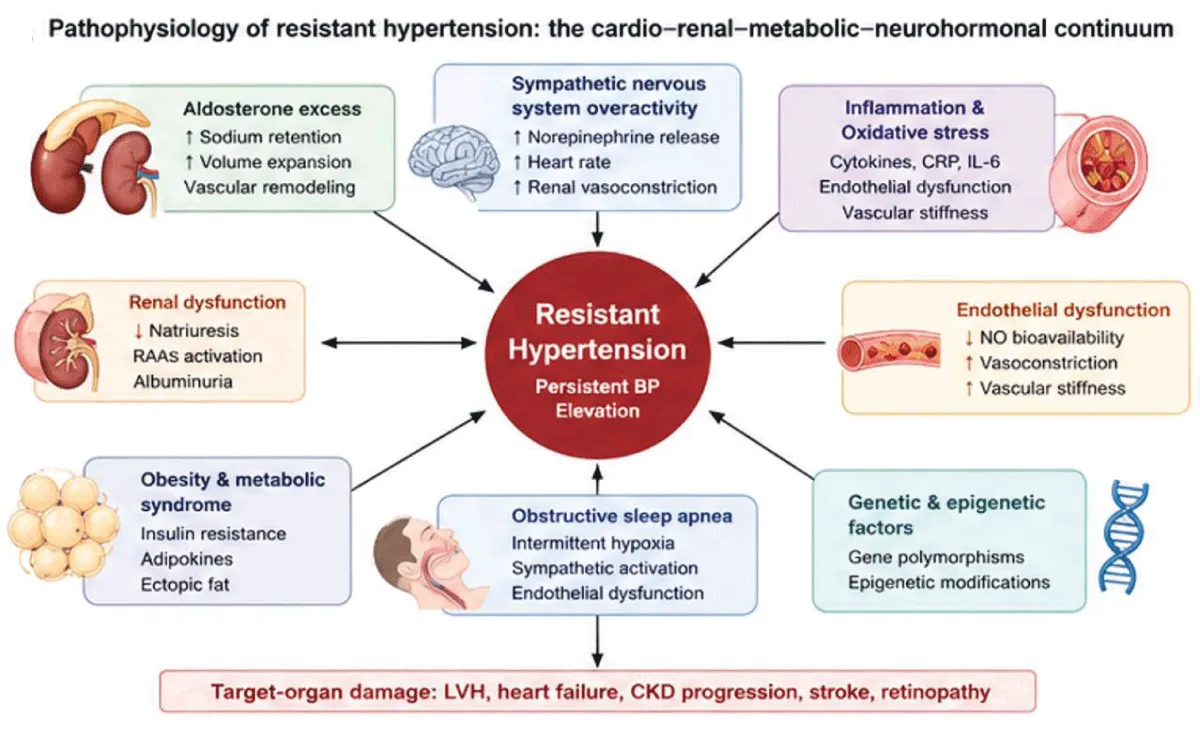
Figure 1: Contemporary pathophysiology of resistant hypertension. (aldosterone excess, SNS activation, inflammation, oxidative stress, endothelial dysfunction, obesity, CKD and OSA interactions).
The pivotal PATHWAY-2 trial fundamentally changed the therapeutic paradigm by demonstrating spironolactone superiority over bisoprolol and doxazosin, strongly supporting sodium retention and aldosterone excess as major drivers of RH [2].
Sympathetic nervous system overactivation
Visceral obesity, insulin resistance, CKD, and OSA contribute to persistent sympathetic activation, increasing vasoconstriction, heart rate, sodium retention, and renin–angiotensin system activity [13,14].
This neurogenic component explains the renewed enthusiasm for renal sympathetic denervation.
Endothelial dysfunction and inflammation
Chronic inflammation and oxidative stress reduce nitric oxide bioavailability and promote vascular stiffness, microvascular dysfunction, and accelerated arterial remodeling [1].
Adipose tissue dysfunction further amplifies inflammatory cytokine release, linking obesity directly with resistant hypertension and residual cardiovascular risk [29].
Pseudoresistance: the great mimicker
One of the most important contemporary concepts is distinguishing true resistant hypertension from pseudo -resistance.
Major causes of pseudo-resistance include:
- Incorrect BP measurement technique
- Inappropriate cuff size
- White-coat hypertension
- Medication nonadherence
- Therapeutic inertia
- Suboptimal diuretic therapy
- Secondary hypertension causes [1,17-21.
ABPM remains mandatory to confirm the diagnosis and identify nocturnal hypertension, non-dipping patterns, masked hypertension, and BP variability, all of which carry adverse prognostic significance [22,23]. Of note, the 2025 AHA/ACC Guideline now explicitly recommends screening for primary aldosteronism in all patients with resistant hypertension, irrespective of serum potassium levels, given that primary aldosteronism accounts for up to 20% of resistant hypertension cases yet screening rates historically have remained below 2%. The aldosterone-to-renin ratio is the preferred initial screening test and may be performed without interruption of most antihypertensive agents.
Diagnosis algorithm
The diagnostic sequence of resistant arterial hypertension must establish a practical clinical route, starting from clinical suspicion to verification and subsequent treatment plan (Figure 2).
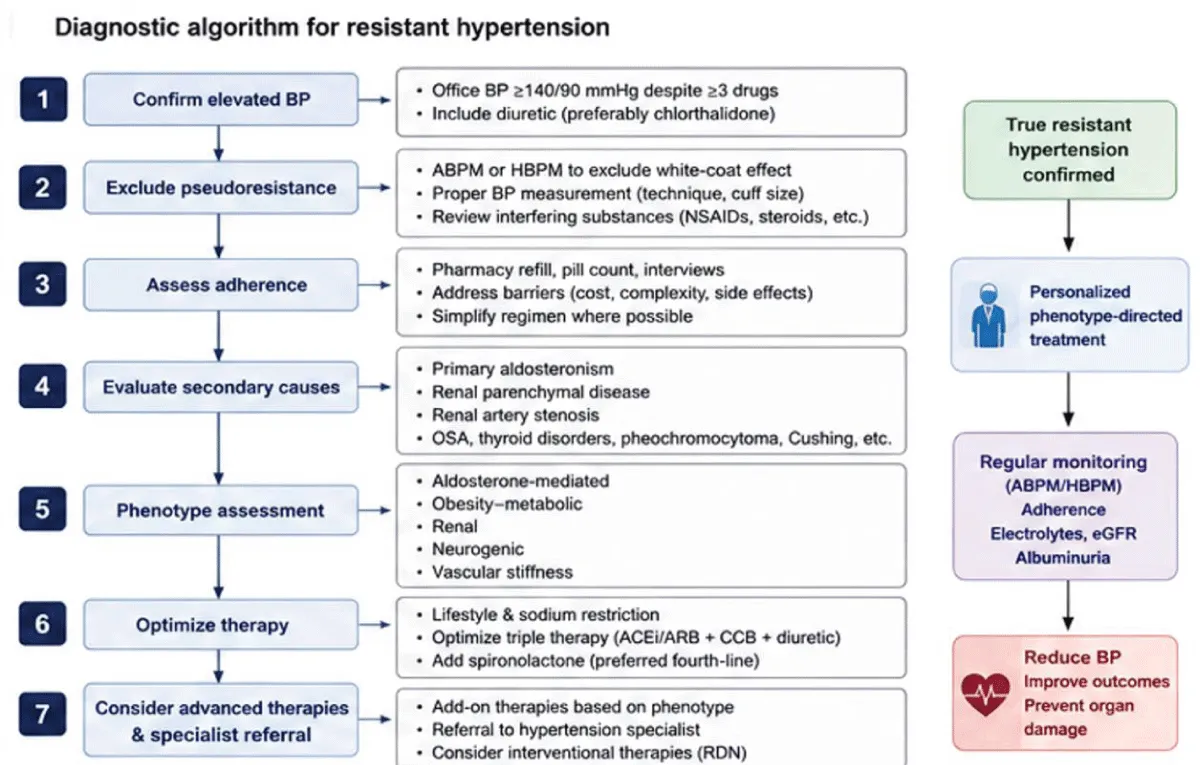
Figure 2: Diagnostic algorithm for resistant hypertension and pseudoresistance exclusion.
Emerging pharmacological therapies
The therapeutic landscape of resistant hypertension has undergone profound transformation during the past decade. Beyond conventional multidrug therapy, several novel agents targeting previously underrecognized mechanisms have emerged, reshaping the management of difficult-to-control hypertension.
SGLT2 inhibitors: Beyond glycemic control
Sodium–glucose cotransporter-2 inhibitors (SGLT2i) have emerged as important cardio–renal–metabolic therapies with clinically meaningful antihypertensive effects.
Through osmotic natriuresis, plasma volume reduction, improved endothelial function, and attenuation of sympathetic activity, SGLT2 inhibitors modestly but consistently reduce blood pressure while simultaneously improving renal and cardiovascular outcomes [24,25].
Particularly in patients with diabetes mellitus, CKD, obesity, or heart failure, SGLT2 inhibitors should increasingly be viewed not merely as glucose-lowering drugs but as multiorgan protective therapies.
GLP-1 Receptor agonists and the obesity–hypertension axis
The obesity epidemic has transformed resistant hypertension into a predominantly cardio–renal–metabolic disease. Consequently, therapies targeting obesity itself have become highly relevant.
Semaglutide and tirzepatide have demonstrated remarkable reductions in body weight, insulin resistance, systemic inflammation, and sympathetic activation—all mechanisms intimately linked with RH [25,26]. Substantial weight reduction may produce clinically meaningful blood pressure lowering while simultaneously reducing residual cardiovascular risk, reinforcing the rationale for integrating these agents into the management of obese patients with resistant hypertension.
This paradigm shift suggests that future RH management may increasingly prioritize metabolic correction alongside BP lowering.
Aprocitentan: Targeting the endothelin pathway
Aprocitentan, a dual endothelin receptor antagonist (ETA/ETB), represents one of the most important recent advances in resistant hypertension [27].
The endothelin pathway contributes to vasoconstriction, vascular remodeling, sympathetic activation, and aldosterone synthesis. In the PRECISION trial, aprocitentan demonstrated significant and sustained reductions in blood pressure among patients with resistant hypertension receiving background antihypertensive therapy. Mild edema remains the most commonly reported adverse effect, but overall tolerability has proven favorable. Given its complementary mechanism, aprocitentan may become particularly valuable in patients with persistent hypertension despite optimized multidrug regimens.
Sacubitril/Valsartan
Sacubitril/valsartan, a first-in-class angiotensin receptor–neprilysin inhibitor (ARNI), has attracted growing interest as a potential therapeutic option in resistant hypertension, based on its mechanistically complementary mode of action. By simultaneously inhibiting neprilysin, the enzyme responsible for natriuretic peptide degradation, and blocking the angiotensin type 1 receptor, sacubitril/valsartan amplifies natriuretic peptide signaling, promoting natriuresis, vasodilation, suppression of the sympathetic nervous system, and attenuation of aldosterone secretion, while counteracting the vasoconstrictive, sodium-retentive, and fibrotic effects of angiotensin II. These dual actions address several of the core pathophysiological drivers of resistant hypertension with a single agent. Available clinical evidence, though still limited and derived primarily from small randomized trials and observational studies, Sacubitril/ARB is a promising option, however has not been approved for treatment of resistant hypertension yet, and further studies are warranted.
Aldosterone synthase inhibitors: a new era in resistant hypertension
Among all emerging therapies, aldosterone synthase inhibitors (ASI) represent perhaps the most important mechanistic breakthrough in RH in more than two decades.
Unlike mineralocorticoid receptor antagonists (MRAs), which block aldosterone receptor activation, ASIs suppress aldosterone production directly by selectively inhibiting CYP11B2. For decades, blocking aldosterone synthesis was impossible due to the unacceptable risk of adrenal insufficiency, as aldosterone synthase shares 93% structural homology with 11β-hydroxylase. The new Aldosterone Synthase Inhibitors act as an ultra-highly selective molecular scalpel, targeting CYP11B2, the enzyme responsible for aldosterone synthase, without affecting CYP11B1, the enzyme responsible for cortisol [28].
This upstream strategy may reduce aldosterone escape, inflammation, fibrosis, and sodium retention more effectively than receptor blockade alone.
Baxdrostat
Baxdrostat became the first FDA-approved aldosterone synthase inhibitor in May 2026 for adults with inadequately controlled hypertension receiving background therapy [28].
The pivotal BaxHTN phase III trial demonstrated placebo-adjusted systolic BP reductions approaching 10 mmHg, with efficacy observed in both uncontrolled and resistant hypertension populations. Hyperkalemia remained the most relevant adverse effect but was generally manageable with appropriate monitoring.
To mitigate this risk, the addition of a sodium-glucose cotransporter-2 (SGLT2) inhibitor to an ASI is a highly promising strategy that may lower the incidence of hyperkalemia. This cardiorenal synergy is currently being evaluated in large phase 3 trials, such as Bax-Duo-Pacific (baxdrostat with dapagliflozin) (29) and EASi-KIDNEY (vicadrostat with empagliflozin)" The phase 2 FigHTN trial in patients with eFGR of 44 ml/min/1.73m2 and UACR show a reduction of systolic BP by 8.1 mmHg, a 55.2% of decreasin UACR and 41% of treated participants with hyperkalemia [29,30].
Lorundrostat
Lorundrostat has demonstrated robust efficacy across two key Phase II trials. In Advance-HTN (published in the New England Journal of Medicine, 2025), lorundrostat 50 mg daily reduced 24-hour ambulatory systolic BP by –7.9 mmHg and the titrated 50→100 mg strategy by –6.5 mmHg versus placebo (p < 0.001 for both), in patients receiving a standardized background triple antihypertensive regimen. In the independently conducted Launch-HTN trial (JAMA, 2025), lorundrostat similarly lowered ambulatory systolic BP at 8 weeks beyond placebo in a broad uncontrolled and resistant hypertension population. An NDA is currently under FDA Priority Review. Exploratory signals of benefit in CKD and albuminuria subgroups raise the possibility of broader cardiorenal indications in the future [31,32].
Potential clinical positioning of ASI
Based on current evidence, ASIs may be particularly attractive in:
- True resistant hypertension
- Patients intolerant to spironolactone/eplerenone
- Relative aldosterone excess phenotypes
- Bilateral primary aldosteronism
- CKD with albuminuria
- HFpEF and obesity-related hypertension phenotypes
- In patients who are already experiencing side effects from increased circulating aldosterone
Suggested sequence:
Optimized triple therapy → spironolactone (preferred fourth-line) → chlorthalidone intensification/loop diuretics in CKD → phenotype-guided add-on therapy (SGLT2i, GLP-1RA, aprocitentan, ASI) → specialist referral/interventional therapies [33-35] (Figure 3).
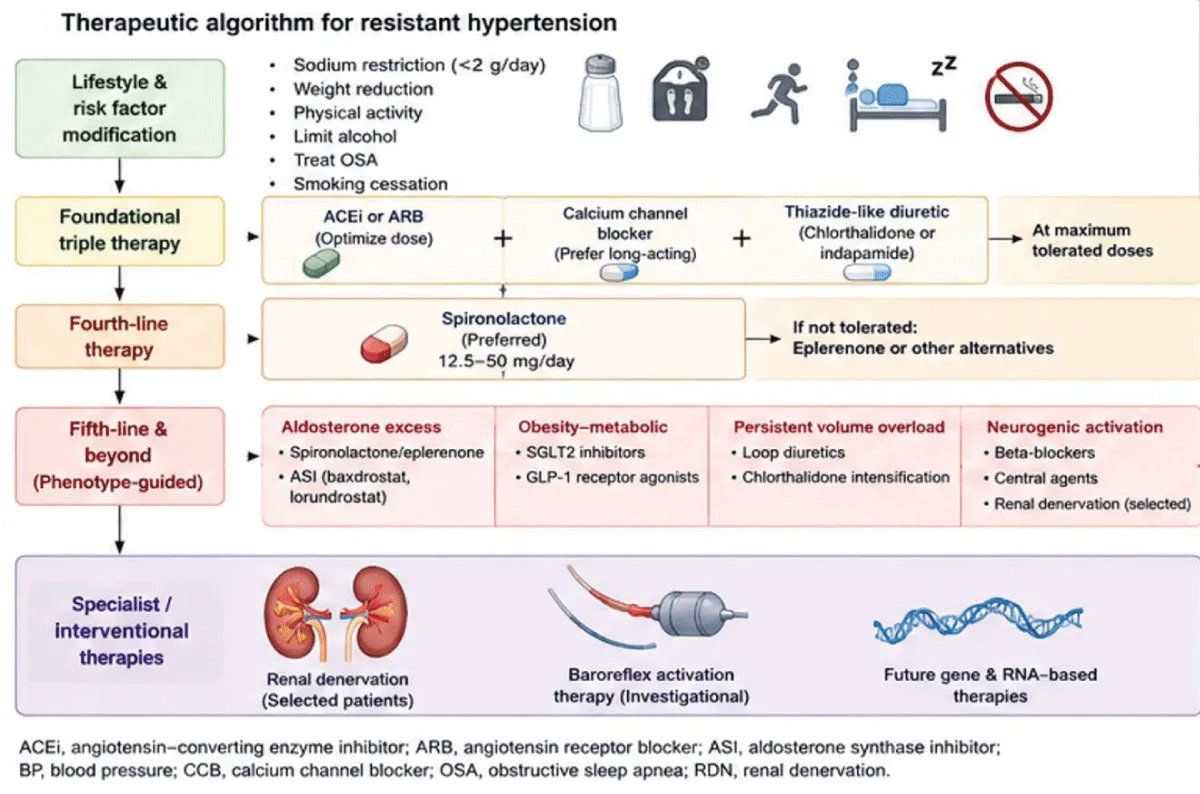
Figure 3: Contemporary pharmacological algorithm for resistant hypertension.
RNA Interference therapies: zilebesiran
Zilebesiran introduces a novel therapeutic concept through small interfering RNA (siRNA) technology directed against hepatic angiotensinogen production [36].
Administered as a subcutaneous injection every 3–6 months, zilebesiran reduces circulating angiotensin II production and may overcome the critical limitation of poor medication adherence. In KARDIA-1 [36], doses of 300 mg and 600 mg resulted in placebo-subtracted reductions exceeding 15 mmHg in 24-hour mean systolic BP at 3 months. KARDIA-2 further demonstrated an additional reduction of up to 12.1 mmHg when zilebesiran was combined with a single standard antihypertensive agent. The subsequent KARDIA-3 study, conducted in a high-cardiovascular-risk population receiving two or more background antihypertensives, informed the design of ZENITH, a global Phase III cardiovascular outcomes trial now under way.
Although pivotal cardiovascular outcome data are still pending from the ZENITH trial, the totality of Phase II evidence supports zilebesiran as a transformative long-acting strategy, particularly for patients with adherence challenges or uncontrolled hypertension despite multiple agents.
Renal denervation: The renaissance of device-based therapy
Renal denervation (RDN) has experienced a major resurgence following improvements in procedural technique, patient selection, and technology [37].
Initial enthusiasm declined after the neutral SYMPLICITY HTN-3 trial; however, methodological limitations, including incomplete denervation and medication variability, likely underestimated efficacy [38,39].
Subsequent sham-controlled studies using improved systems, including SPYRAL HTN-OFF MED, SPYRAL HTN-ON MED, and RADIANCE-HTN TRIO, demonstrated consistent and clinically meaningful blood pressure reductions, with systolic BP reductions ranging from 3.9 to 18.7 mmHg depending on the population studied. (19,23) Critically, 3-year follow-up data from SPYRAL HTN-ON MED demonstrated durable office systolic BP reductions of –18.5 mmHg with RDN versus –11.7 mmHg with sham (treatment difference: –6.8 mmHg; p = 0.0002), with the Global Symplicity Registry (n = 3,109) showing progressive benefit over time. All three major contemporary guidelines, ESH 2023, ESC 2024, and AHA/ACC 2025, now endorse RDN as a complementary option for selected patients with uncontrolled or resistant hypertension, drug intolerance, or patient preference, following shared risk-benefit discussion within specialized centers [40-42].
The strongest candidates for renal denervation include:
- Confirmed true resistant hypertension
- Sympathetic overactivation phenotype
- Poor medication adherence
- Patients unwilling or unable to intensify pharmacotherapy
Importantly, renal denervation should not be viewed as a replacement for pharmacological therapy but rather as a complementary strategy within specialized hypertension centers (Figure 4).
Position statement recommendations
Based on contemporary evidence and expert consensus, the following principles are proposed:
- Confirm True Resistant Hypertension
- Diagnosis should require confirmation through ABPM or HBPM, exclusion of white-coat effect, adherence assessment, and optimization of BP measurement techniques.
- Prioritize Phenotype-Guided Therapy
- RH management should evolve from empirical escalation toward mechanism-based treatment, identifying obesity-driven, renal, aldosterone-mediated, or neurogenic phenotypes.
- Spironolactone Remains First Fourth-Line Therapy
- Spironolactone should remain the preferred fourth agent unless contraindicated by hyperkalemia or renal dysfunction.
- Prefer Chlorthalidone Over Hydrochlorothiazide
- Chlorthalidone or indapamide should be favored because of superior potency and longer duration of action.
- Incorporate Cardio–Renal–Metabolic Therapies
- SGLT2 inhibitors and GLP-1 receptor agonists should be increasingly considered in appropriate patients due to their pleiotropic benefits.
- Integrate Emerging Therapies Rationally
- Aprocitentan and aldosterone synthase inhibitors may become major components of future RH treatment algorithms.
- Consider Renal Denervation in Selected Patients
- RDN should be reserved for carefully phenotyped patients managed within experienced multidisciplinary centers. However, first-contact physicians should be familiar with this alternative treatment because many patients remain without referral to specialized centers by inertia Figure 4.
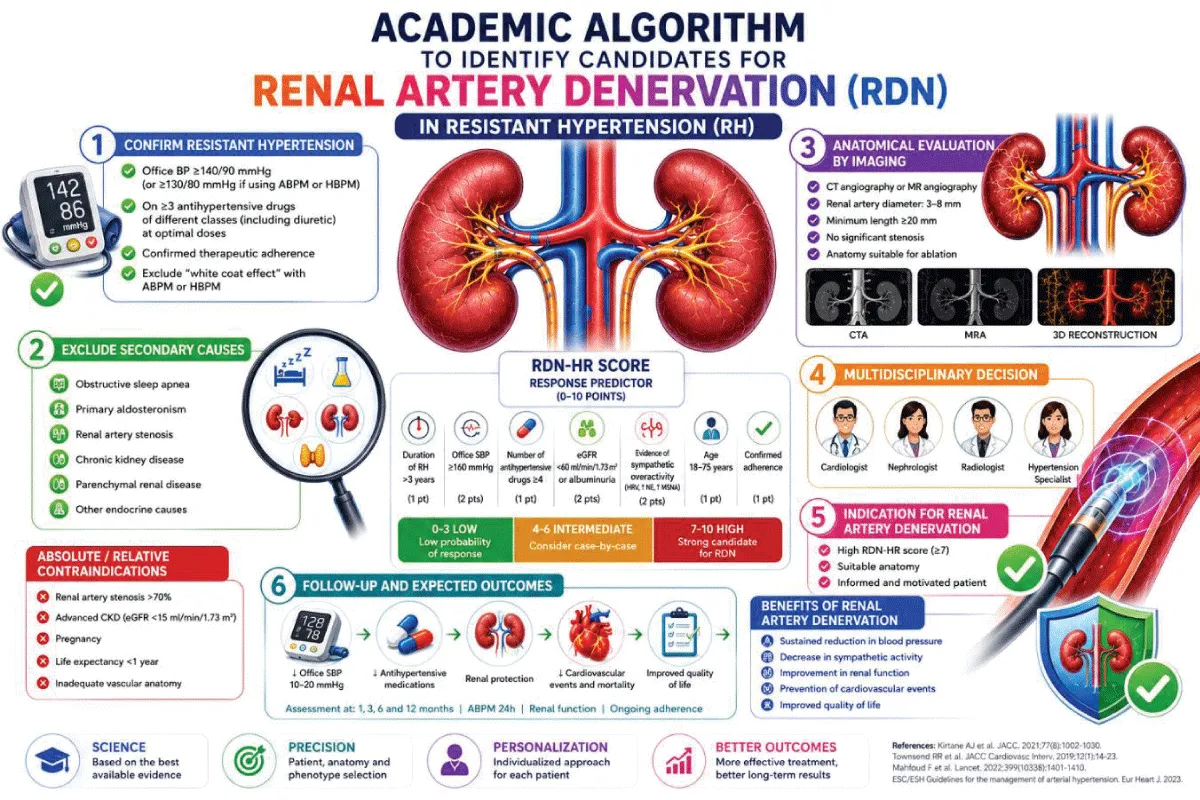
Figure 4: Algorithm to identify candidates for Renal Artery Denervation.
Future directions and precision medicine
Advanced phenotyping, biomarkers, genomics, wearable technologies, and artificial intelligence may soon allow individualized therapeutic selection based on predominant pathophysiological mechanisms rather than empirical drug escalation.
Future research priorities include:
- Hard cardiovascular outcome trials for ASI
- Biomarker-guided therapeutic selection
- Integration of obesity therapeutics into RH algorithms
- Expanded role of digital hypertension monitoring
- Precision-based renal denervation candidate selection
The transition from a blood pressure–centered model toward a multisystem cardio–renal–metabolic protection paradigm may represent the most important conceptual shift in hypertension management of the coming decade (Figure 5).
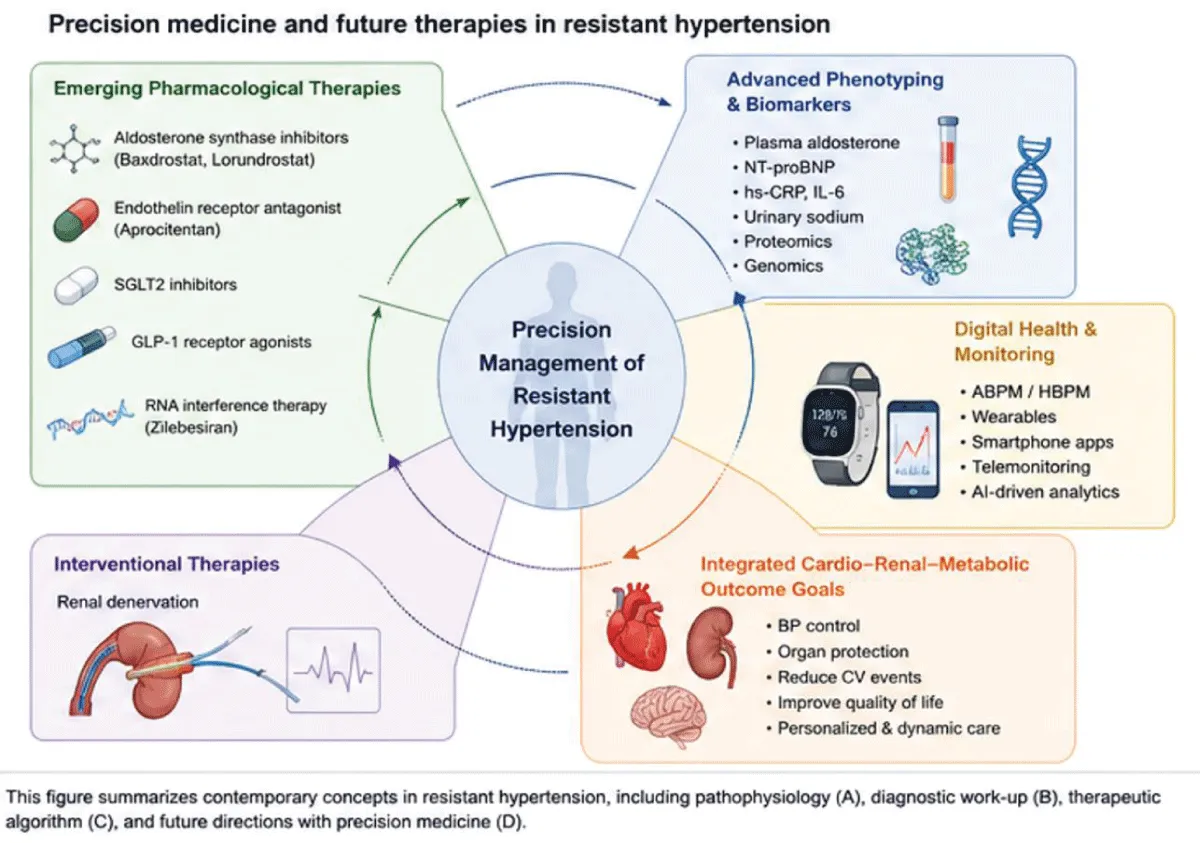
Figure 5: Contemporary therapeutic ecosystem in resistant hypertension (pharmacological therapies, obesity management, precision medicine, ASI, RDN, biomarkers, digital monitoring)
Potential biomarkers in RH
- Soluble ST2 (sST2) is the soluble receptor for interleukin-33 (IL-33). It directly reflects the mechanical stress of the myocardium.
- GDF-15 — Differentiating Factor of Growth 15. Emerging biomarker associated with inflammation, oxidative stress, and cellular apoptosis. It has an important prognostic value for cardiovascular mortality in Failure Resistant hypertension, cardiac failure, ACS, and atrial fibrillation.
- Galectin-3 — Fibrosis Marker. It reflects the degree of fibrosis and inflammation of the heart tissue. Especially useful in ventricular hypertrophy, cardio-oncology, and in cardiomyopathies with ventricular dysfunction.
MicroRNAs: The Future of Personalized Medicine in Cardiology. MicroRNAs (miRNAs) are small particles of non-ribonucleic acid coding agents (18-25 nucleotides) that regulate gene expression post-transcriptionally. Their presence in circulation, stable and reproducible, makes them promising candidates as next-generation biomarkers.
Resistant hypertension represents one of the most complex and high-risk conditions in cardiovascular medicine. Contemporary evidence strongly supports redefining RH as a cardio–renal–metabolic syndrome characterized by aldosterone excess, sodium retention, endothelial dysfunction, sympathetic overactivation, inflammation, obesity, and chronic kidney disease interactions [43-47].
The systematic exclusion of pseudoresistance through ABPM and adherence assessment is mandatory before escalation of therapy. Spironolactone remains the cornerstone of fourth-line treatment, while chlorthalidone, SGLT2 inhibitors, GLP-1 receptor agonists, aprocitentan, and aldosterone synthase inhibitors expand therapeutic opportunities.
The FDA approval of baxdrostat (Baxfendy) in May 2026 as the first aldosterone synthase inhibitor marks the beginning of a new mechanistic era in the pharmacological management of resistant hypertension, while lorundrostat remains in advanced regulatory review. Renal denervation, now endorsed by all three major international guidelines (ESH 2023, ESC 2024, AHA/ACC 2025), offers a durable and evidence-based complementary strategy for carefully selected patients. Ultimately, precision medicine approaches integrating metabolic, renal, neurohormonal, and vascular phenotyping, alongside emerging tools in genomics, digital monitoring, and artificial intelligence, are likely to redefine the management paradigm of resistant hypertension in the decade ahead.
- Carey RM, Calhoun DA, Bakris GL, et al. American Heart Association Professional/Public Education and Publications Committee. Resistant hypertension: detection, evaluation, and management: a scientific statement from the American Heart Association. Hypertension. 2018;72(5):e53–e90.
- Williams B, MacDonald TM, Morant S, et al. British Hypertension Society’s PATHWAY Studies Group. Spironolactone versus placebo, bisoprolol, and doxazosin to determine the optimal treatment for drug-resistant hypertension (PATHWAY-2): a randomised, double-blind, crossover trial. Lancet. 2015;386(10008):2059–2068.
- Mancia G, Kreutz R, Brunström M, Burnier M, Grassi G, Januszewicz A, et al. ESH Scientific Council. 2023 ESH Guidelines for the management of arterial hypertension. J Hypertens. 2023;41(12):1874–2071. Available from: https://doi.org/10.1097/hjh.0000000000003480
- McEvoy JW, McCarthy CP, Bruno RM, Brouwers S, Canavan MD, Ceconi C, et al. ESC Scientific Document Group. 2024 ESC Guidelines for the management of elevated blood pressure and hypertension. Eur Heart J. 2024;45(38):3912–4018. Available from: https://doi.org/10.1093/eurheartj/ehae178
- Writing Committee Members, Jones DW, Ferdinand KC, Taler SJ, Johnson HM, Shimbo D, et al. 2025 AHA/ACC/AANP/AAPA/ABC/ACCP/ACPM/AGS/AMA/ASPC/NMA/PCNA/SGIM Guideline for the prevention, detection, evaluation, and management of high blood pressure in adults. Circulation. 2025;152:e114–e218.
- Daugherty SL, Powers JD, Magid DJ, Tavel HM, Masoudi FA, Margolis KL, et al. Incidence and prognosis of resistant hypertension. Circulation. 2012;125(13):1635–1642. Available from: https://doi.org/10.1161/circulationaha.111.068064
- de la Sierra A, Segura J, Banegas JR, Gorostidi M, de la Cruz JJ, Armario P, et al. Clinical features of 8295 patients with resistant hypertension classified on the basis of ambulatory blood pressure monitoring. Hypertension. 2011;57(5):898–902.
- Calhoun DA. Apparent and true resistant hypertension: why not the same? J Am Soc Hypertens. 2013;7(6):509–511. Available from: https://doi.org/10.1016/j.jash.2013.07.007
- Agarwal R, Sinha AD, Cramer AE, Balmes-Fenwick M, Dickinson JH, Ouyang F, et al. Chlorthalidone for hypertension in advanced chronic kidney disease. N Engl J Med. 2021;385:2507–2519. Available from: https://doi.org/10.1056/nejmoa2110730
- Townsend RR. Management of resistant hypertension in chronic kidney disease. Nat Rev Nephrol. 2022;18(10):645–656.
- Gunnarsson S, Vito O, Unwin RJ. Cardiovascular-kidney-metabolic syndrome: prevalence, risks, disease trajectories, and early-stage management. Am J Physiol Cell Physiol. 2026 Jan 1;330(1):C1-C8. Available from: https://doi.org/10.1152/ajpcell.00499.2025.
- Otsuka H, Abe M, Kobayashi H. The Effect of Aldosterone on Cardiorenal and Metabolic Systems. Int J Mol Sci. 2023 Mar 11;24(6):5370. Available from: https://doi.org/10.3390/ijms24065370.
- Schiffrin EL. Vascular remodeling in hypertension: mechanisms and treatment. Hypertension. 2012;59(2):367–374. Available from: https://doi.org/10.1161/hypertensionaha.111.187021
- Grassi G, Seravalle G, Quarti-Trevano F, Dell’Oro R. Sympathetic activation in resistant hypertension. Curr Hypertens Rep. 2022;24(8):311–320.
- Rimoldi SF, Scherrer U, Messerli FH. Secondary arterial hypertension: when, who, and how to screen? Circulation. 2014;129(11):1245–1248.
- Funder JW. Primary aldosteronism and resistant hypertension. Hypertension. 2020;75(2):275–281.
- Brown JM, Siddiqui M, Calhoun DA, Carey RM, Hopkins PN, Williams GH, et al. The unrecognized prevalence of primary aldosteronism: a cross-sectional study. Ann Intern Med. 2020;173(1):10–20. Available from: https://doi.org/10.7326/m20-0065
- Hall JE, do Carmo JM, da Silva AA, Wang Z, Hall ME. Obesity-induced hypertension: interaction of neurohumoral and renal mechanisms. Circ Res. 2015;116(6):991–1006. Available from: https://doi.org/10.1161/circresaha.116.305697
- Neeland IJ, Eliasson B, Kasai T, et al. The impact of obesity on resistant hypertension. Eur Heart J. 2024;45(6):512–524.
- Burnier M, Egan BM. Adherence in hypertension: a review of prevalence, risk factors, impact, and management. Circ Res. 2019;124(7):1124–1140. Available from: https://doi.org/10.1161/circresaha.118.313220
- Kario K. Essential Manual of 24-Hour Blood Pressure Management. Hoboken: Wiley-Blackwell; 2015.
- Parati G, Ochoa JE, Bilo G, Zanchetti A. Prognostic value of blood pressure variability and average blood pressure levels. Hypertension. 2013;62(4):698–705.
- Packer M. Critical reanalysis of mineralocorticoid receptor activation in resistant hypertension. Hypertension. 2018;71(5):766–772.
- Vaduganathan M, Januzzi JL, Pitt B, Solomon SD, Zannad F, Butler J, et al. SGLT2 inhibitors in heart failure and chronic kidney disease: a review. Lancet. 2022;400(10354):757–767.
- Wilding JPH, Batterham RL, Calanna S, et al. STEP 1 Study Group. Once-weekly semaglutide in adults with overweight or obesity. N Engl J Med. 2021;384:989–1002.
- Jastreboff AM, Aronne LJ, Ahmad NN, et al. SURMOUNT-1 Investigators. Tirzepatide once weekly for the treatment of obesity. N Engl J Med. 2022;387:205–216.
- Azizi M, Sanghvi K, Saxena M, et al. PRECISION Investigators. Dual endothelin receptor antagonist aprocitentan for resistant hypertension (PRECISION): a multicentre, blinded, randomised, parallel-group, phase 3 trial. Lancet. 2023;401(10381):1927–1937. Available from: https://doi.org/10.1016/s0140-6736(22)02034-7
- Flack JM, Azizi M, Brown JM, et al. BaxHTN Investigators. Efficacy and safety of baxdrostat in uncontrolled and resistant hypertension. N Engl J Med. 2025;393(14):1363–1374. Available from: https://doi.org/10.1056/NEJMoa2507109.
- A Phase III Renal Outcomes and Cardiovascular Mortality Study to Investigate the Efficacy and Safety of Baxdrostat in Combination With Dapagliflozin in Participants With Chronic Kidney Disease and High Blood Pressure (BaxDuo-Pacific). ClinicalTrials.gov ID NCT06742723
- Judge PK, Tuttle KR, Staplin N, Hauske SJ, Zhu D, Sardell R, et al. The potential for improving cardio-renal outcomes in chronic kidney disease with the aldosterone synthase inhibitor vicadrostat (BI 690517): a rationale for the EASi-KIDNEY trial. Nephrol Dial Transplant. 2025 May 30;40(6):1175-1186. Available from: https://doi.org/10.1093/ndt/gfae263.
- Saxena M, Laffin L, Borghi C, Fernandez BF, Ghali JK, Kopjar B, et al. Launch-HTN Investigators. Lorundrostat in participants with uncontrolled hypertension and treatment-resistant hypertension: the Launch-HTN randomized clinical trial. JAMA. 2025;334(5):409–418. Available from: https://doi.org/10.1001/jama.2025.9413
- Laffin LJ, Kopjar B, Melgaard C, Wolski K, Ibbitson J, Bhikam S, et al. Advance-HTN Investigators. Lorundrostat efficacy and safety in patients with uncontrolled hypertension. N Engl J Med. 2025;392(18):1813–1823. Available from: https://doi.org/10.1056/NEJMoa2501440
- Merlo M, Zoccatelli F, Costa G, Panepinto L, Friso S, Marzano L. Aldosterone synthase inhibitors across the translational spectrum: mechanistic foundations and emerging clinical applications. J Intern Med. 2026. Apr;299(4):425-443. Available from: https://doi.org/10.1111/joim.70061
- Alkhatib R, Hatab T, Laffin LJ. Aldosterone synthase inhibition in hypertension: an evolving therapeutic strategy. Curr Opin Cardiol. 2026.
- Dandamudi M, Ahmed A, Abbas MS, Khattak MH, Mandalapu N, Khairallah TT, et al. Efficacy of aldosterone synthase inhibitors in uncontrolled and resistant hypertension: a systematic review and updated meta-analysis with grade assessment. Eur J Intern Med. 2026. Apr 23:106896. Available from: https://doi.org/10.1016/j.ejim.2026.106896
- Desai AS, Webb RL, Kario K, et al. Safety and efficacy of zilebesiran in patients with mild-to-moderate hypertension (KARDIA-1). JAMA. 2023;330:551–564.
- Mahfoud F, Schmieder RE, Azizi M, Pathak A, Sievert H, Tsioufis K, et al. Proceedings from the European clinical consensus conference for renal denervation. Eur Heart J. 2022;43(41):4252–4269.
- Kandzari DE, Böhm M, Mahfoud F, Townsend RR, Weber MA, Pocock S, et al. Effect of renal denervation on blood pressure in the presence of antihypertensive drugs. Lancet. 2018;391(10137):2346–2355. Available from: https://doi.org/10.1016/s0140-6736(18)30951-6
- Bhatt DL, Vaduganathan M, Kandzari DE, Leon MB, Rocha-Singh K, Townsend RR, et al. SYMPLICITY HTN-3 Steering Committee Investigators. Long-term outcomes after catheter-based renal artery denervation for resistant hypertension: final follow-up of the randomised SYMPLICITY HTN-3 Trial. Lancet. 2022 Oct 22;400(10361):1405-1416. Available from: https://doi.org/10.1016/S0140-6736(22)01787-1.
- Böhm M, Kario K, Kandzari DE, Mahfoud F, Weber MA, Schmieder RE, et al. Efficacy of catheter-based renal denervation in resistant hypertension. Eur Heart J. 2022;43(41):4259–4270.
- Azizi M, Schmieder RE, Mahfoud F, Weber MA, Daemen J, Davies J, et al. Endovascular ultrasound renal denervation to treat hypertension (RADIANCE-HTN TRIO). Lancet. 2021;397(10293):2476–2486.
- SPRINT Research Group. A randomized trial of intensive versus standard blood-pressure control. N Engl J Med. 2015;373:2103–2116.
- Messerli FH, Rimoldi SF, Bangalore S. The transition from hypertension to heart failure. Eur Heart J. 2017;38(13):942–948.
- Carey RM, Muntner P, Bosworth HB, Whelton PK. Prevention and control of hypertension. J Am Coll Cardiol. 2018;72(11):1278–1293. Available from: https://doi.org/10.1016/j.jacc.2018.07.008
- Oparil S, Calhoun DA. Resistant hypertension: pathogenesis and treatment. Circ Res. 2019;124(7):1061–1070.
- Desai AS, Karns AD, Porterfiled LM, et al. KARDIA-2 Investigators. Add-on treatment with zilebesiran for inadequately controlled hypertension: the KARDIA-2 randomized clinical trial. JAMA. 2025;334(2):113–123.
- Mahfoud F, Kandzari DE, Kario K, Townsend RR, Weber MA, Schmieder RE, et al. SPYRAL HTN-ON MED Investigators. Long-term efficacy and safety of renal denervation in the presence of antihypertensive drugs (SPYRAL HTN-ON MED): a randomised, sham-controlled trial. Lancet. 2022;399(10334):1401–1410. Available from: https://doi.org/10.1016/s0140-6736(22)00455-x